Viking: A Bold Typeface for Authentic Design
In the world of graphic design, typography is the silent ambassador of your brand. The right font doesn't just display words; it conveys emotion, establishes context, and builds an instant connection with the viewer. For projects demanding a bold, authentic, and handcrafted feel, the Viking font emerges as a powerful creative asset. Its strong, creative-lettered style is specifically engineered to inject personality and a realistic, handmade quality into visual communication.
Understanding the Viking Font's Role in Visual Design
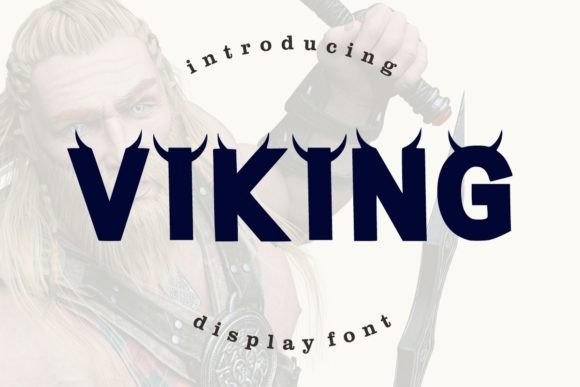
Viking is a display typeface characterized by its robust, slightly textured letterforms that mimic the authentic imperfections of hand-painted or chalked signage. This aesthetic is crucial in modern design, where audiences increasingly value authenticity over sterile perfection. It serves as a direct counterpoint to the clean, geometric sans-serifs that dominate digital interfaces, offering a way to stand out and humanize a brand's visual identity.
Its primary strength lies in its ability to create immediate visual hierarchy and emotional impact. Used strategically, it can transform a standard layout into a compelling narrative, making it an invaluable tool for designers focusing on branding, social media graphics, and editorial design.
Practical Applications Across Creative Projects
The versatility of the Viking font allows it to enhance a wide array of design deliverables. Its practical value is evident in its application:
- Branding and Logo Design: Ideal for craft breweries, artisanal bakeries, outdoor adventure brands, or any business wanting to project a rugged, handmade, or traditional ethos. It creates logos that are memorable and full of character.
- Marketing and Advertising: Cuts through the noise in digital marketing campaigns, print ads, and posters. Its bold presence ensures key messages, like a headline or call-to-action, are not just seen but felt.
- Social Media Content: Perfect for Instagram posts, Facebook ads, and YouTube thumbnails where grabbing attention quickly is paramount. It adds a personal, realistic feel that resonates well in feeds dominated by polished imagery.
- Website and UI Design: Best used sparingly for impactful elements like hero section headings, feature titles, or promotional banners. It draws the eye and sets a thematic tone without compromising overall readability for body text.
- Packaging and Merchandise: Elevates product packaging for gourmet foods, specialty goods, or event merchandise. It communicates quality and craftsmanship at a glance, enhancing the unboxing experience.
Integrating Viking into Your Design Workflow
Adopting a distinctive font like Viking requires thoughtful integration to ensure it strengthens, rather than disrupts, your design system. Consider these factors for effective implementation:
Consistency and Brand Alignment: Before selecting Viking, audit its style against your existing brand palette, imagery, and tone. Does its rugged personality align with your core message? Using it consistently across specific touchpoints (like all campaign headlines) builds a cohesive brand identity.
Visual Hierarchy and Readability: As a display font, Viking is not suited for long-form body copy. Its power is in headlines, subheads, and pull quotes. Pair it with a clean, highly readable sans-serif or serif font for body text to create a balanced and functional visual hierarchy.
Scalability and Context: Test the font at various sizes. Ensure its intricate details remain clear when scaled down for mobile UI or scaled up for large-format print. Always consider the medium—a style perfect for a chalkboard-themed digital ad may need adjustment for a sleek web banner.
Ultimately, the choice of typography is a fundamental design decision that influences user engagement and perception. A resource like the Viking font provides more than just letters; it offers a specific aesthetic vocabulary that can articulate brand values, evoke desired emotions, and create a distinct visual signature. By selecting and applying such creative assets with intention and strategic thinking, designers and creators can significantly elevate the quality, impact, and professionalism of their work, ensuring their visual communication is both beautiful and effective.