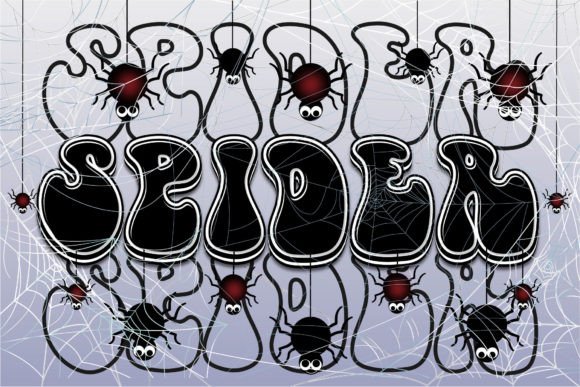
Spider: The Exuberant Display Font for Bold Visuals
Imagine a typeface that doesn't just sit on the page but practically leaps off it, infusing every project with an infectious energy. Spider is an exuberant display font that will fill your designs with cheerfulness! Use it on covers, posters, Halloween designs, marketing materials, or anything that needs to pop!. This unique creative asset is engineered to command attention, making it a powerful tool in the arsenal of any designer or marketer looking to break through visual noise.
The Role of Exuberant Typography in Modern Graphic Design
In the crowded digital landscape, static and predictable designs often fail to capture the fleeting attention of audiences. This is where display typography becomes the hero of your visual hierarchy. Spider, with its dynamic and playful character, serves as more than just letterforms; it acts as a focal point for visual communication. By utilizing such a distinct typeface, you can instantly convey a mood—whether it's excitement, whimsy, or spooky celebration—without relying solely on imagery. It bridges the gap between text and art, ensuring that your message is not only read but felt.
Strengthening Brand Identity
Typography is the voice of a brand. While sans-serifs and serifs provide the necessary neutrality for body copy, a display font like Spider provides the personality. For brands targeting a younger demographic, or those in the entertainment, event, and creative industries, this typeface can become a cornerstone of brand identity. It signals creativity and confidence, helping businesses stand out in sectors saturated with generic fonts.
Practical Applications for Maximum Impact
The versatility of a bold display font lies in its ability to adapt to various mediums while maintaining its core visual impact. Spider is particularly effective in scenarios where the primary goal is engagement and emotion.
- Marketing Materials & Advertising: From digital banners to print flyers, use Spider to highlight key calls-to-action or headlines. Its energy naturally guides the viewer's eye to the most important information.
- Social Media Content: In fast-scrolling environments like Instagram or TikTok, static text is easily ignored. Spider adds movement and flair to thumbnails, story overlays, and promotional graphics, increasing click-through rates.
- Packaging & Merchandise: For products that aim to be shelf-stoppers, this font adds a tactile, hand-crafted feel to packaging design. It works exceptionally well for limited editions, holiday themes, or youth-oriented merchandise.
- Event & Editorial Design: Whether it’s a Halloween poster, a book cover, or a magazine headline, Spider sets the mood immediately, providing a strong visual anchor for the surrounding layout.
Tips for Evaluating and Using Design Assets
While incorporating expressive fonts like Spider can elevate a project, strategic implementation is key to maintaining professionalism. When integrating bold typography into your workflow, consider the following design principles:
- Maintain Readability: Display fonts are best suited for short bursts of text, such as headlines or logos. Avoid using them for long paragraphs where legibility is paramount.
- Contrast is Key: Pair Spider with a clean, neutral typeface for body text. This contrast creates a balanced visual hierarchy, ensuring the design feels energetic yet organized.
- Consider the Color Palette: Bold fonts often look best against high-contrast backgrounds or within vibrant color schemes that match their energy. Ensure your color choices enhance the font's character rather than clashing with it.
- Audience Alignment: Always evaluate if the font's personality aligns with your audience's expectations. A playful, exuberant style works wonders for B2C marketing but may require careful calibration in more conservative corporate contexts.
Ultimately, the success of any design project—be it a website, a social media campaign, or physical packaging—hinges on the thoughtful selection of creative assets. Typography is not merely a vessel for words; it is a critical component of the user experience and visual storytelling. By choosing high-quality, expressive tools like Spider, designers can ensure their work not only communicates a message but also resonates emotionally, leaving a lasting impression on the viewer.